

Binary options trading often looks simple on the surface, but consistent results demand far more than predicting short-term price direction. Platforms like Expert Option reward traders who combine structure, discipline, and market awareness rather than impulse and guesswork.
This guide goes beyond generic advice. Instead of repeating common tips found across dozens of blogs, we focus on rarely discussed yet highly practical principles that experienced traders rely on. Whether you are new to Expert Option or refining your approach, these insights are designed to help you trade with clarity, confidence, and long-term consistency.
Why Many Traders Struggle on Expert Option (And What Actually Fixes It)
Most traders don’t fail because the platform is difficult. They fail because they approach trading without structure.
Expert Option provides fast execution, intuitive charts, and a wide range of assets, but these strengths can also tempt traders into overtrading. Rapid trade placement, short expiry times, and emotional reactions often replace analysis.
Expert trading tips work because they introduce decision filters. Instead of asking “Will price go up or down?”, disciplined traders ask:
- Is the market environment suitable?
- Does this setup match my rules?
- Is the risk justified?
Once this mindset is adopted, confidence naturally replaces hesitation.
Build Real Skill Using the Expert Option Demo Account
Before risking capital, traders should master execution and observation.
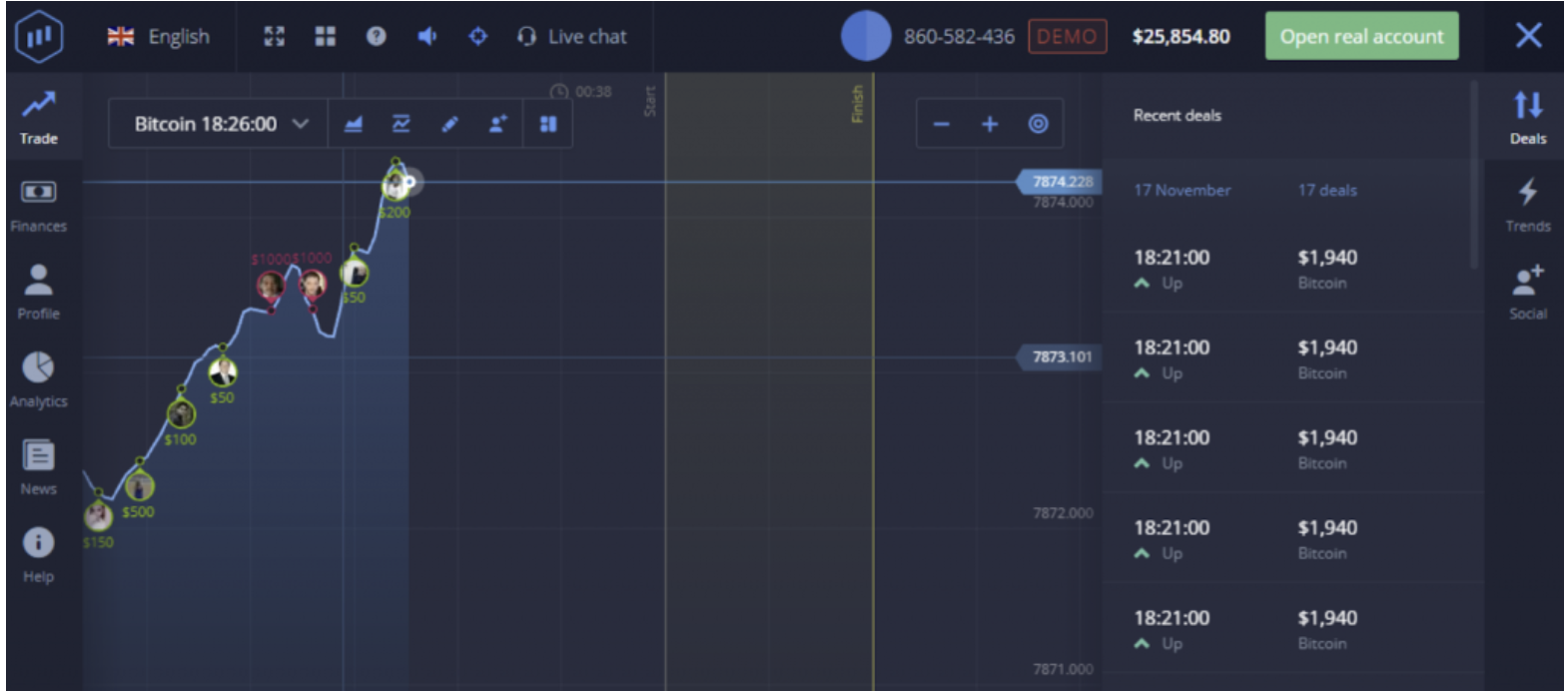
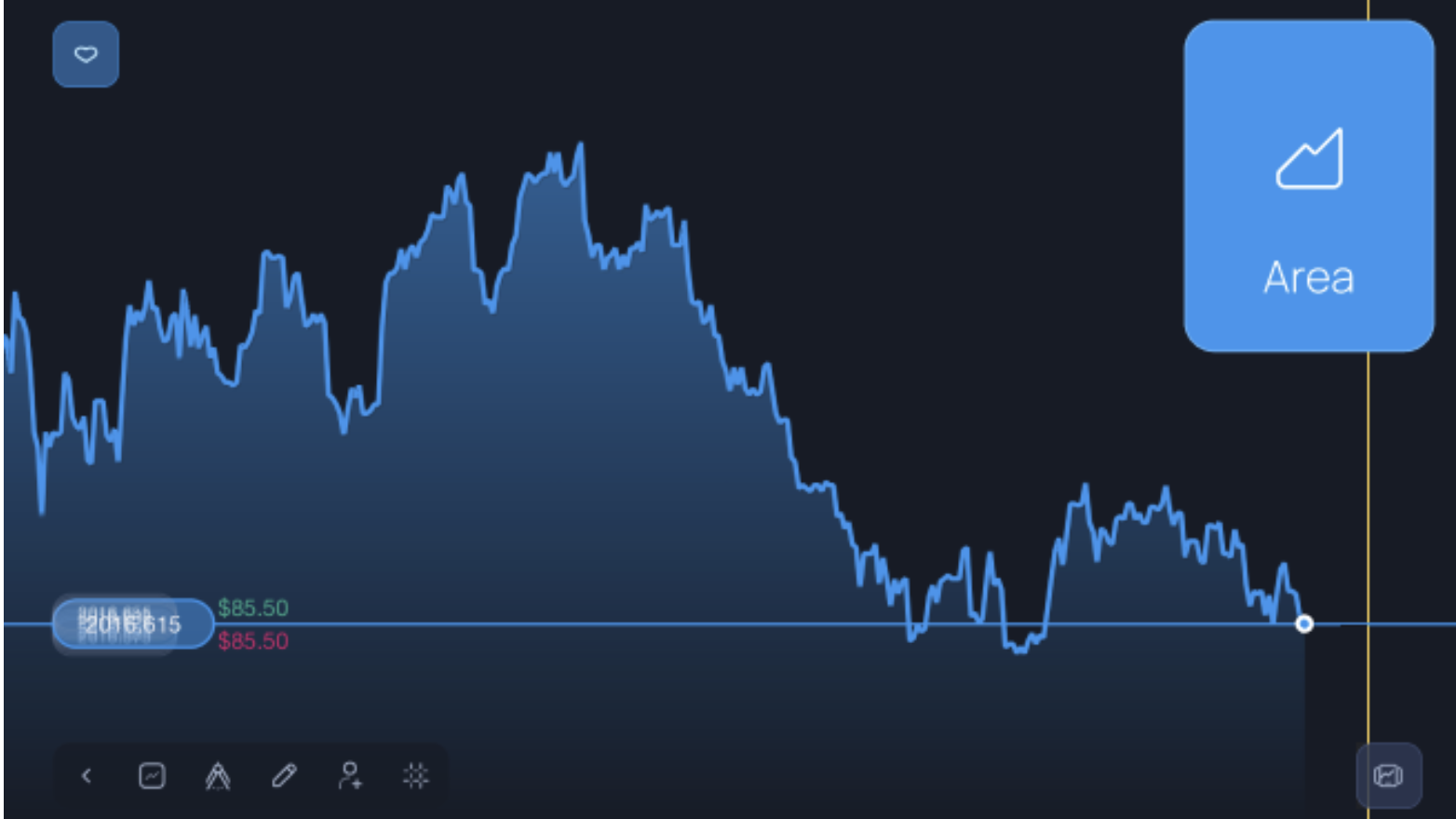
The demo account is not just for beginners—it is a testing lab. It allows traders to:
- Practice precise entry timing
- Observe price reactions to news events
- Track emotional behavior without financial pressure
The key mistake traders make is treating demo trading casually. Instead, use it exactly like a real account: same trade size logic, same rules, same discipline. This creates muscle memory that carries over into live trading and significantly reduces costly beginner errors.
Focus on One Strategy Until It Becomes Automatic
A common but rarely addressed issue in binary trading is strategy hopping.
Expert Option offers flexibility across timeframes and assets, which often leads traders to test multiple strategies simultaneously. This creates confusion and inconsistent results.
Choose one strategy that:
- Matches your preferred trading time
- Fits your risk tolerance
- Works across multiple market conditions
Trade it repeatedly until execution becomes instinctive. Only then should you consider adding variations. Confidence is not built from variety—it is built from repetition and clarity.
Risk and Money Management: The Silent Edge Most Traders Ignore
This section matters more than strategy selection.
Expert Option traders who survive long term focus less on winning trades and more on protecting capital. Risk management is not about avoiding losses—it is about controlling their size.
Effective money management includes:
- Risking a fixed percentage per trade
- Avoiding recovery trades after losses
- Reducing trade size during drawdowns
This approach stabilizes emotions and allows logic to guide decisions. When capital is protected, confidence follows naturally.
Learn to Read Market Context, Not Just Indicators
Indicators are helpful—but incomplete on their own.
Professional traders first assess market context:
- Is price trending or ranging?
- Where are the key support and resistance levels?
- Is volatility expanding or contracting?
Indicators are then used for confirmation, not decision-making. This subtle shift dramatically improves trade quality. When you understand why price moves, indicators become supportive tools rather than crutches.
Psychological Control: The Real Difference Between Profit and Loss
Trading psychology is often discussed, but rarely applied correctly.
Confidence in Expert Option trading does not come from winning streaks—it comes from rule adherence. Emotional control improves when:
- You accept losses as operational costs
- You stop trading after predefined limits
- You separate self-worth from trade outcomes
Keeping a trading journal focused on decision quality, not profit, accelerates psychological growth. Over time, emotional reactions fade, replaced by structured responses.
Common Expert Option Mistakes That Quietly Drain Accounts
Even experienced traders repeat these errors:
- Overtrading: Trading every market movement instead of waiting for valid setups
- Ignoring market sessions: Volatility changes drastically across sessions
- Revenge trading: Attempting to recover losses emotionally
Avoiding these mistakes does not require advanced knowledge—only discipline. The traders who succeed are often the ones who trade less, but with higher precision.
Frequently Asked Questions About Expert Option Trading
What are the most effective Expert Option trading tips?
Effective tips include using the demo account seriously, mastering one strategy, applying strict risk management, and focusing on market structure instead of indicators alone.
Can beginners trade confidently on Expert Option?
Yes—if they slow down. Beginners who focus on learning execution, psychology, and capital protection often outperform impatient traders.
How can traders reduce risk on Expert Option?
By limiting trade size, avoiding emotional decisions, and trading only during optimal market conditions.
Are short-term strategies suitable on Expert Option?
They can be effective, but only when combined with strong market context awareness and fast, disciplined execution.
Conclusion: Trade Expert Option with Structure, Not Emotion
Confidence in Expert Option trading is not accidental—it is built through preparation, repetition, and restraint.
By applying these Expert Option trading tips, you move away from impulsive decisions and toward structured execution. The platform rewards traders who understand risk, respect market conditions, and manage emotions effectively.
Instead of chasing quick wins, focus on consistency. With the right mindset and disciplined approach, Expert Option becomes not just a trading platform—but a professional environment for sustainable growth.